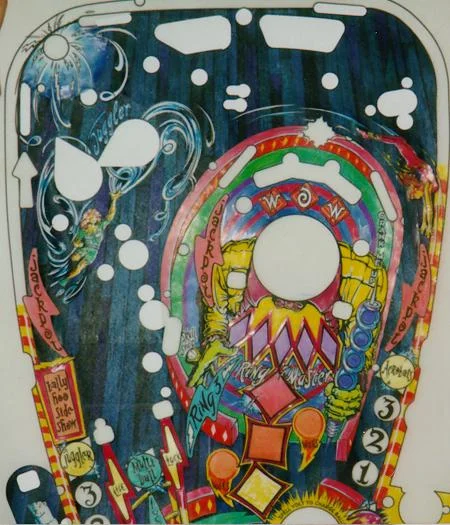
The Hidden Internet: Details of JPop's Development of the Original Cirqus Voltaire from the Original Bally Williams Website
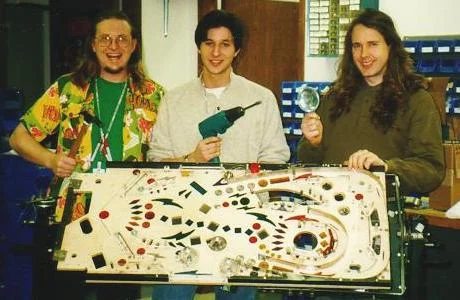
By knapparcade
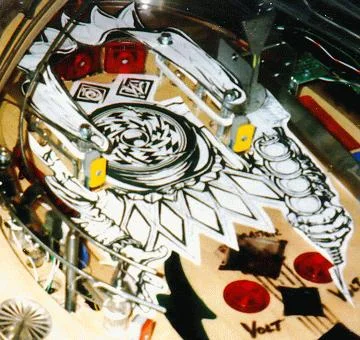
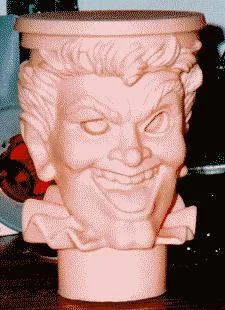
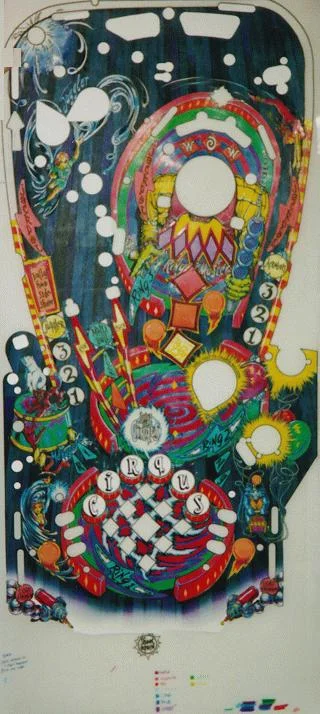
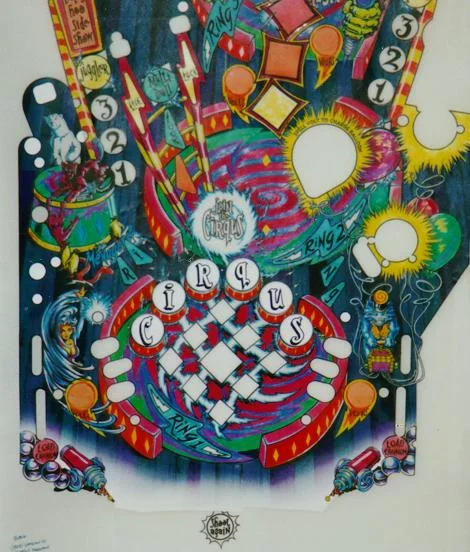
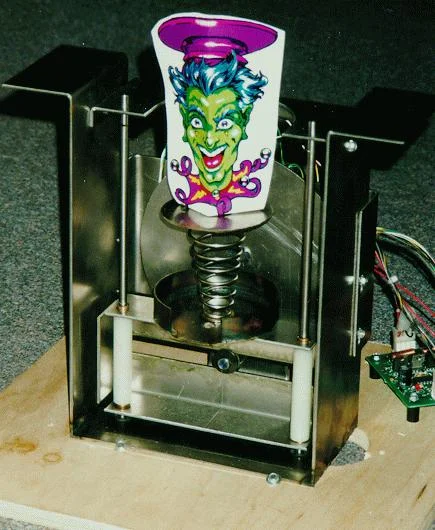
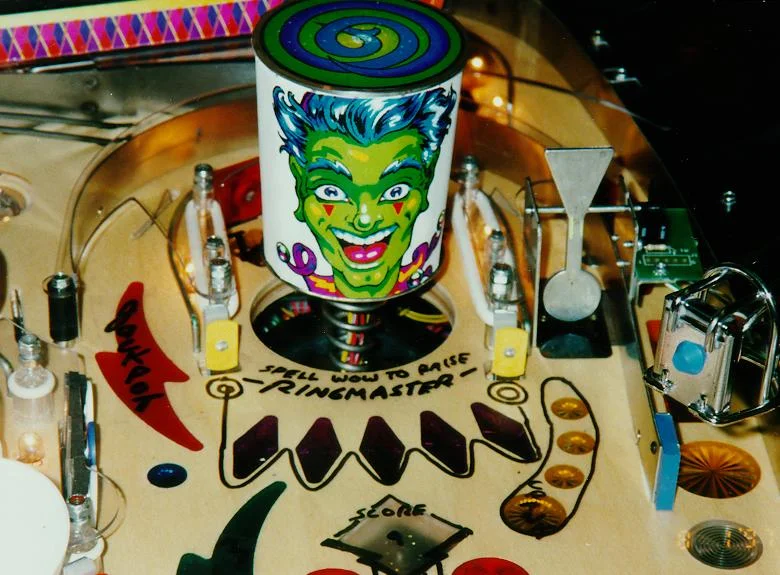
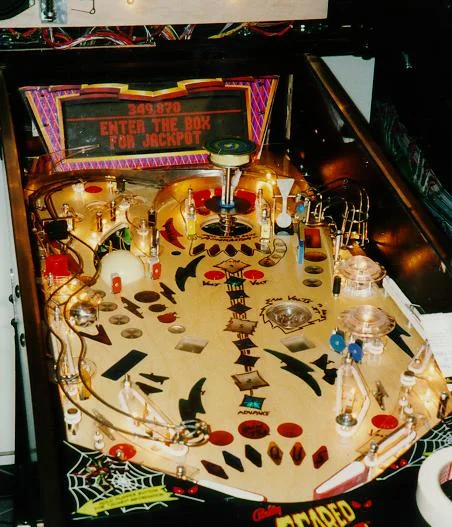
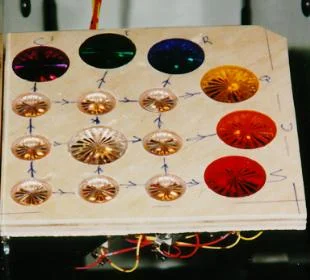
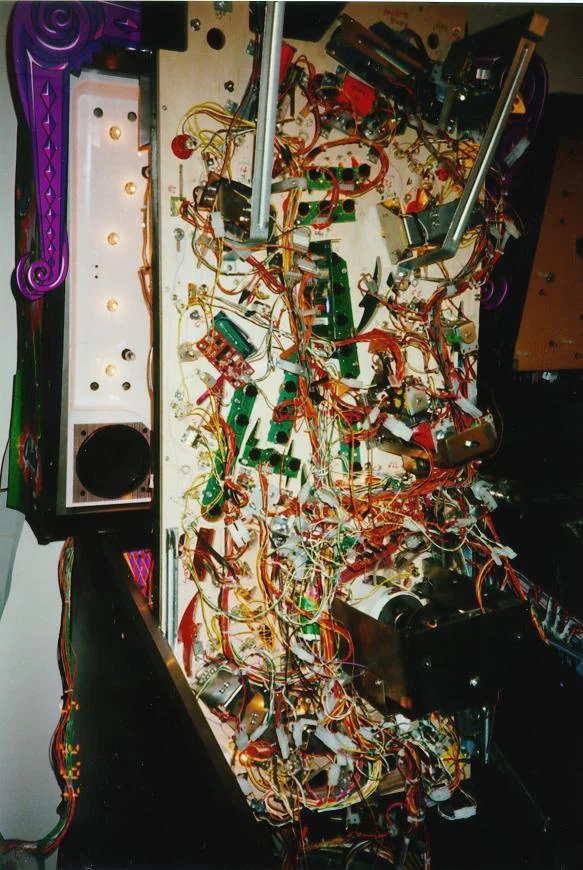
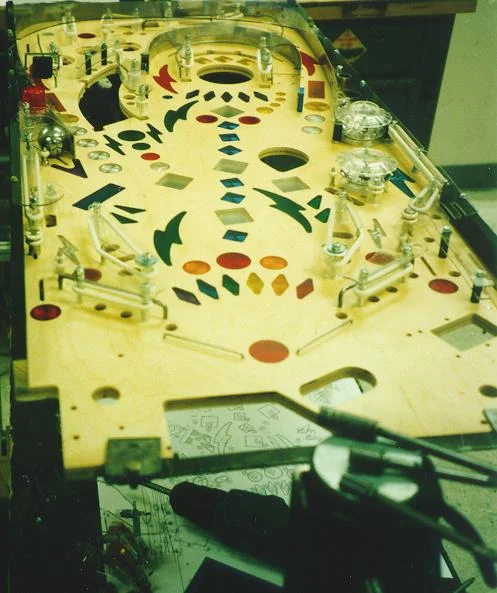
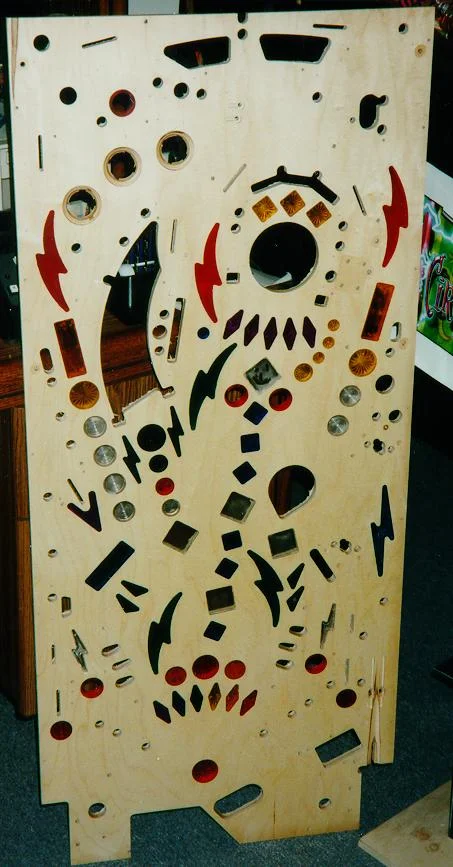
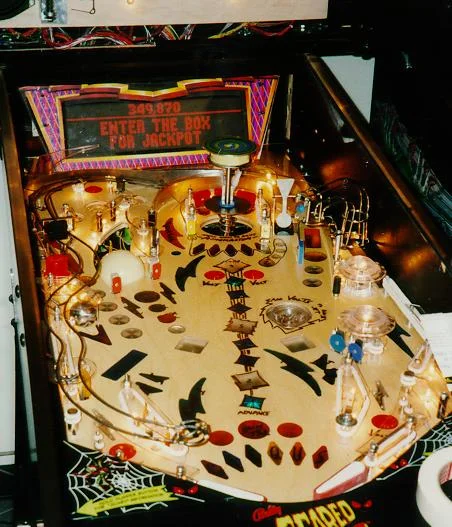
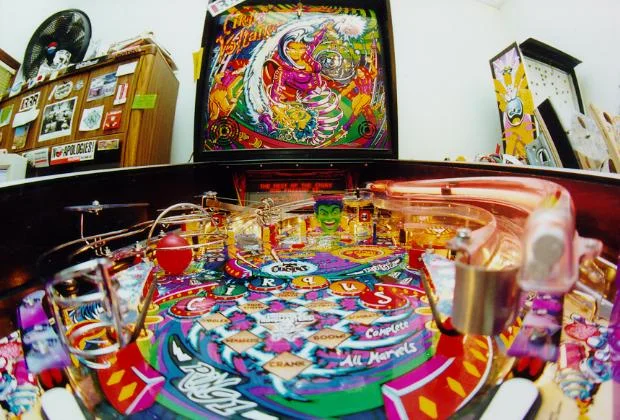
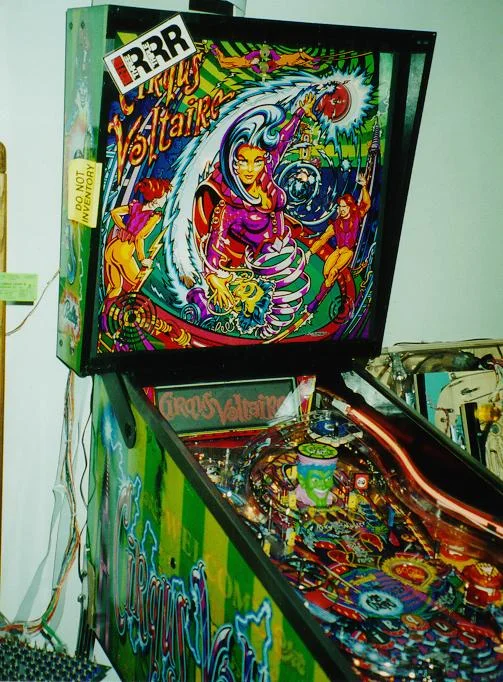
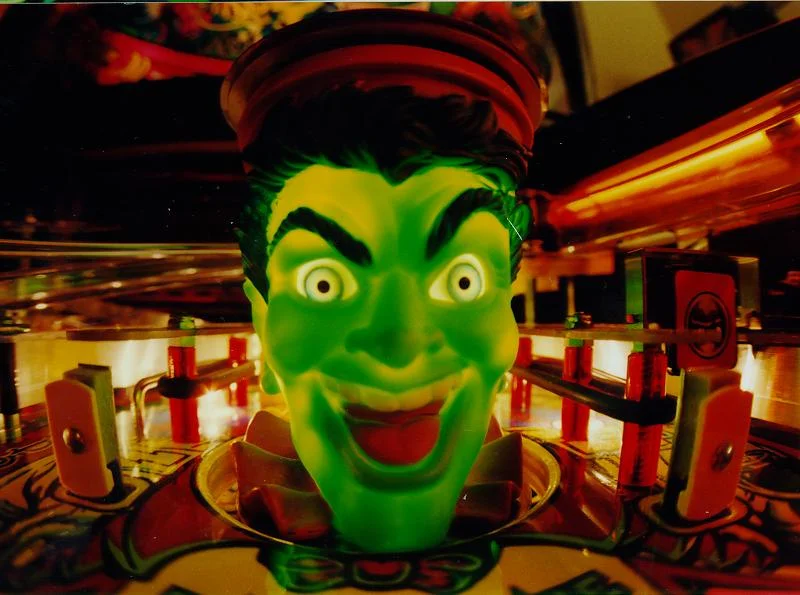
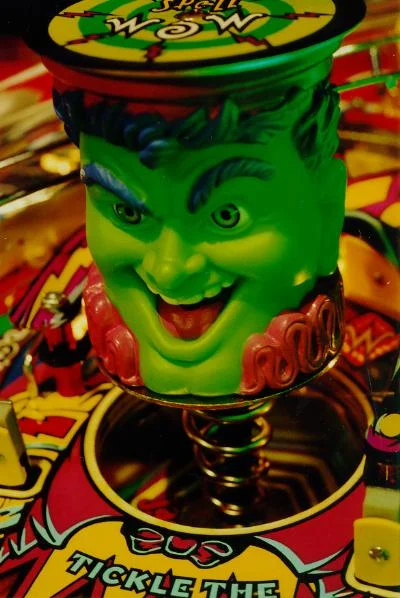
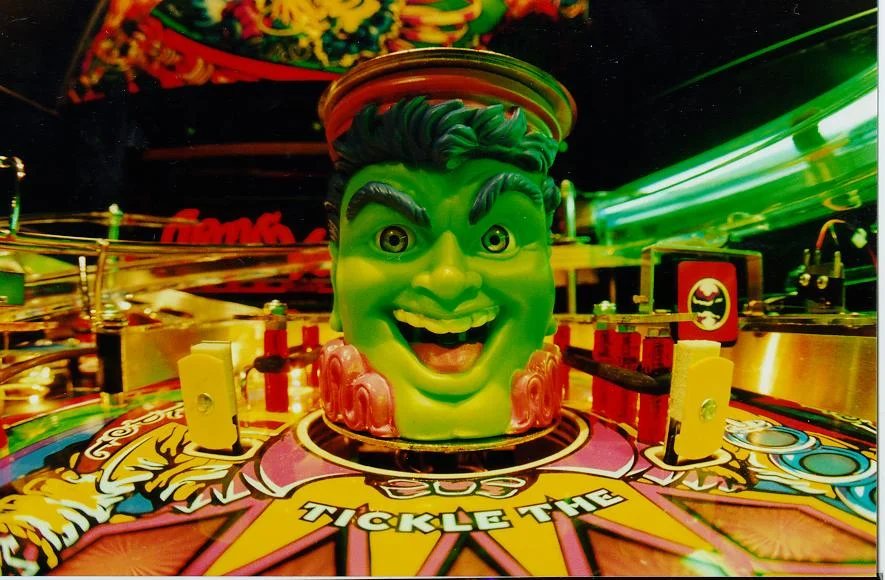
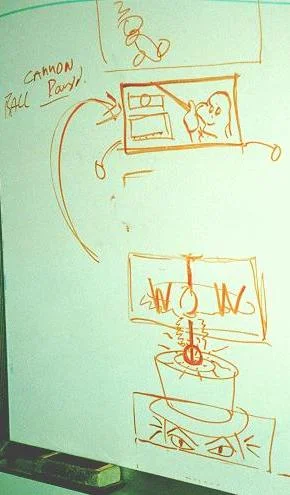
When Williams shut down its pinball division back in 1999, its website didn’t disappear right away. Copies saved by the Internet Archive’s Wayback Machine show the Williams Electronics Games site as it looked in the late 1990s. That includes a behind-the-scenes section for Bally’s Cirqus Voltaire that reads like a project log, with dated milestones from the first playfield sketch in April 1996 to the production software release in November 1997 and amazing behind-the-scenes pictures from the game's development. The shutdown notice The archived Williams homepage leads with the October 25, 1999 announcement from WMS Industries. It says the company “will discontinue its pinball production and cabinets manufacturing operations after the completion of the game currently in production as a result of a prolonged period of weak demand and ongoing losses.” Owners were told local distributors would keep selling current games and providing service and spare parts. Below the notice, the page still promoted Star Wars Episode I and Revenge From Mars, introduced Pinball 2000 as “the new image in pinball,” and linked to Monster Bash and Cactus Canyon in the game gallery. Development timeline The Cirqus Voltaire section says most Williams and Bally games were “in some stage of development for a cycle of 12–18 months.” It also says the milestones it lists are “only about 1% of the work,” and that rules and features cut before production are left off. Here are the main dates as the site lists them: 1996 April 16: Playfield sketching begins August 19: Preliminary software start. The site notes this was “only the creation of directory ‘cirqus’.” August 20: First Cirqus Voltaire dot-matrix logo created for mock-ups September 3: Artwork concepts begin September 23: Software development starts October 1: Cabinet and logo design begins October 15: Whitewood No. 1 October: Drivers written for the diverter, the up/down jet and loop detection, plus early rules for Skill Shot, “Hit the Ringmaster,” “Ringmaster Frenzie” and the Highwire Multiball framework November 18: Strike An Arc multiball November 22: Driver for the Ringmaster device December 10: Playfield artwork, including plastics, begins December 20: Cabinet artwork complete December 23: Amazing Roonie video mode 1997 January 3: Whitewood No. 2 January 9: Ringmaster magnet catches and throws the ball January 14: Completing VOLT raises the jet February 15: Playfield artwork complete February 21: Backglass artwork begins March 20: Whitewood No. 3 April 10: Announcer speech recorded April 30: Backglass artwork complete May 5: First prototype built for the programmer June 26: First pay-to-play software, and the first test game goes on location August 23: New Ringmaster speech recorded September 9: Software version 0.1 released for sample games September 20: Playfield layout finalized September 27–29: German, French and Spanish text completed October 8: Software version 1.0 released for production games November 14: Software version 1.1 released for production games January 9, 1998: Cirqus Voltaire “web show” opens Two dates on the list stand out. A test game was on location in June 1997, and sample-game software was out by September 9, but the site says the playfield layout wasn’t finalized until September 20, 1997. That was less than three weeks before production software 1.0. The Ringmaster’s development A separate page covers the Ringmaster, which the site calls “Jack.” According to the site: The first Ringmaster mechanism was handed to the programmer in November 1996 on a test fixture so the driver could be written. It wasn’t installed on a playfield until Whitewood No. 2. On Whitewood No. 2 in January 1997, a plain cylinder stood in until the molded head was ready. The Ringmaster mold is dated March 1997. The site shows a row of early painted heads under the caption “what color should the eyes be?”, dated May 1997. The first Ringmaster was hand-painted by artist Linda Deal. The Ringmaster on the sample games had what the site calls “a thinner (and some say more sinister) face.” Production games got a more rounded face. That last point is useful for collectors trying to identify a sample-run Cirqus Voltaire. First all-color prototype The “Building the Game” page says the first all-color prototype was built after Whitewood No. 3. It “gives the design team a much better idea of what the game will look like and the programmers an opportunity to complete the software and fine-tune the rule set.” It includes photos of Cirqus Voltaire No. 1 with its backglass, and a dry-erase storyboard from August 1997 sketching the “WOW” show and the Cannon Ball Run effect. The main Cirqus Voltaire page lists the team as: Design: John Popadiuk Programming: Cameron Silver Art: Linda Deal Mechanical engineering: Jack Skalon Music and sound: Rob Berry and Dave Zabriskie Dot-matrix animation: Adam Rhine and Brian Morris Bally billed the game as an “industry first” for putting the dot-matrix display on the playfield. The page also highlights the BOOM balloon, a disappearing pop bumper that rises from under the playfield. Players pump it up for points and an extra ball. The site also shows off a backstory that the team invented for the theme: “There are truths which are not for all men, nor for all times.” (Voltaire, 1761) History of the Cirqus Voltaire In the most rebellious of times during 1771, one of the authors of the new time was indeed Voltaire, a scholarly rascal with a vivid tongue and sharp quill. Along with other men of valor, began a movement of “Enlightenment” based in the scientific revolution of Galileo and Newton from the previous century. They felt the universe was infinite and that the spirit of man should be free to wander as well. Voltaire himself then brought together a group of the most talented street performers and philosophers of modern day France and founded the “Troupe des Voltaire” or Voltaire’s Group in 1772. The men would speak from inside the masterful “ring” and voice their ideas to France and the World through the audience. This new name, “Cirqus Voltaire” was adopted and first spoken by Voltaire himself during a tense game of “9 Hole” Bagatelle at the Cafe Procope in Paris. Along with their romantic works of the pen, the Cirqus talent included jugglers, tiger tamers, high wire fellows, an old lady, and of course the lightning-ball walkers and throwers. The “Group des Voltaire” had the most marvelous acts, those of electricity, fire and passion, the same that willed France toward revolution in 1789. Cirqus Voltaire - The Pinball Along with any good story, the Cirqus Voltaire “Troupe” were among the best of bagatelle players in France. Many a night was illuminated with wild games against French Soldiers and their Captains. Today this spirit will continue in our new pinball table as you try to JOIN the Cirqus Voltaire. As the player you enter the great CIRQUS THEATRE in the heart of Paris and are requested to perform before the audience and mysterious judges. Your first SKILL task is to charge the Ringmaster’s Ring. This will guide you to the place where the Cirqus is performing. Once there you have nothing to keep you from discovering the splendor and thrill of the Cirqus. For you the player, the RINGMASTER is the key and challenging him to speak and reign over the Cirqus is your best hope. Amidst the three RINGS are the Cirqus Marvels to be found and accomplished. The pinball will find the Menagerie, Juggler, High Voltage High Wire, The Spin, Amazing Acrobats, Boom Balloons and, of course, the BallyHoo Sideshow. The enchanting “Lady of the Cirqus” will guide and show you the way of Voltaire’s greatest Cirqus. You must complete all nine Marvels of the Cirqus to Join the Troupe Voltaire and continue on in Cirqus immortality. This is where VOLTAIRE appears during the final challenge." The discovery of this treasure trove of old information about the development of the game given the fact that American Pinball's first game under new ownership is a licensed Cirqus Voltaire Reimagined. I got to play it at this month's Pinball Expo in Chicago. What a gorgeous game. AP's new Cirqus Voltaire is expected to start shipping in November and run through around the start of Q2 2027. American has completely sold through all 772 of its fancy "Ringmaster Edition" of the remake, but some distributors still have allotments, like friend of the site PinballSTAR Amusements. If you want to get one of the Ringmasters before they sell out to the public, you can reach out to Joe at sales@pinballstar.com or via its website. An image of the front page of the original Bally Williams website. Things sure have come a long way: The Cirqus Voltaire section where I found all of this cool information